Oh my goodness, if you are craving that blissful moment of sinking your teeth into something impossibly soft, sweet, and perfectly glazed but need it dairy-free and egg-free, stop right now! I finally nailed the recipe that gets me every single time. Seriously, these **Vegan Glazed Donut Holes** are lighter than air and have that gorgeous, satisfying chew we all love in traditional donuts. It took me three tries to get the yeast to cooperate perfectly, and let me tell you, getting that glaze to set just right without being totally hard and crackly? That was the real battle! But wow, are they worth it.

Why This Recipe for Vegan Glazed Donut Holes Delivers Sweet Perfection
What makes these little bites so special is that we aren’t cutting corners on texture just because we’re keeping it plant-based. These are the real deal, folks. You get that authentic, slightly chewy interior that only comes from proper yeast work.
- They are totally genuine yeast-risen donut holes—no baking powder shortcuts here!
- Zero eggs or dairy, but you’d never know it from how fluffy they are.
- The glaze ratio is spot-on; it coats beautifully without drowning the dough.
If you want to see another fantastic, slightly spiced twist on this concept, check out my recipe for maple-glazed donut holes!
Essential Ingredients for Perfect Vegan Glazed Donut Holes
Okay, talking about the ingredients is like getting down to the heart of the magic. Because we are skipping the eggs and butter, we need smart swaps that do the job just as well. Don’t blink when you make the flax egg—that’s our secret weapon for structure!
For the dough, you need that warm plant milk, the yeast, a little sugar to wake it up, melted vegan butter or oil for richness, and of course, the flax egg we prepped earlier. Make sure your flour and salt are whisked together perfectly before adding the wet stuff; we want even distribution!
Then for the glaze, it’s deceptively simple: tons of powdered sugar, just enough plant milk to make it pourable, and a splash of vanilla. If you want more delicious bite-sized treats soon, you should absolutely check out my recipe for homemade mini powdered sugar donuts!
Step-by-Step Instructions to Make Fluffy Vegan Glazed Donut Holes
Okay, let’s get baking—or, well, frying! This process goes smoothly if you respect the yeast and the oil temperature. Trust me, I learned the hard way that rushing the rise time means sad, dense donut holes, and oil that’s too cool means total grease sponges. So, grab your favorite whisk and let’s get these made.
Activating Yeast and Mixing the Vegan Glazed Donut Holes Dough
First things first, we need to wake up that yeast! Take your warm plant milk—and I mean comfortably warm for your wrist, not hot, or you’ll kill your yeast before it even gets going—and sprinkle the yeast right on top. Let it sit for about five minutes until it looks foamy and happy. That foamy top means it’s alive and ready to make magic.
Next, stir in the initial sugar, your melted vegan butter (or oil!), that prepared flax egg, and the vanilla. In a separate bowl, mix your flour and salt really well. Now, go slow! Add the wet stuff to the dry stuff gradually. You’re looking for a soft, pliable dough. Once it comes together, dust your counter lightly and knead it for about five minutes. Don’t overdo it; we just need it smooth.
The Crucial Dough Rise Time
This is where patience pays off! Put the dough ball into a lightly greased bowl. I usually cover mine with plastic wrap, but a clean kitchen towel works too. We need to put it somewhere warm and draft-free so it can relax and double in volume. This takes about an hour to an hour and a half, depending on how warm your kitchen is. Don’t try to rush this part by sticking it in a warm oven—you risk heating it too much.
Shaping, Frying, and Draining Your Vegan Glazed Donut Holes
Once doubled, gently punch the air out—it deflates nicely! Now, roll small pieces into balls, keeping them roughly an inch across. Consistency matters here so they all cook at the same rate. Get your vegetable oil heated up to 350°F (175°C). This temperature is vital! If it’s lower, they soak up oil; if it’s higher, they burn outside and stay raw inside.
Fry in small batches—don’t overcrowd the pot! You need that oil temperature to stay steady. They’ll puff up and turn golden brown in about two or three minutes per side. Use a slotted spoon to pull them out and put them directly onto a rack lined with paper towels. This little break helps wick away excess surface oil, which keeps our final product from feeling greasy.
Preparing and Applying the Simple Sugar Glaze
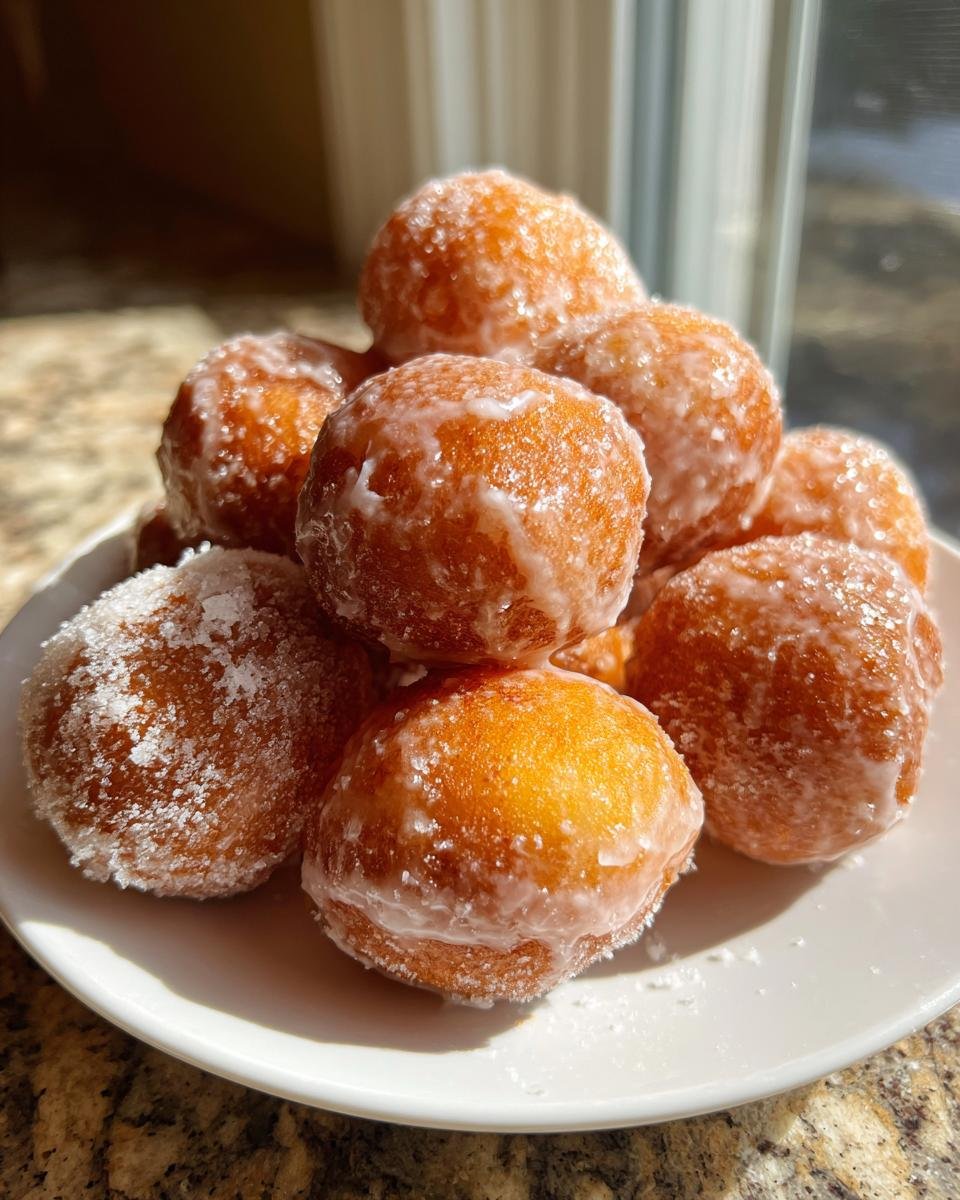
While the donut holes are cooling down just a little—they need to be warm, not piping hot—whisk up the glaze. Take those two cups of sugar, about half a cup of plant milk, and the vanilla. Whisk it until it’s smooth and drippy. If it looks like toothpaste, add a tiny splash more milk until it pours nicely but thickly.
Dip each warm donut hole in completely, let the excess drip off for just a second, and then put it right back on the wire rack. The residual heat from the donut hole helps the simple sugar glaze set up perfectly as it cools. If you want more ideas for fantastic, fluffy dough, you should explore my post on achieving perfectly fluffy dough!
Tips for Achieving the Best Vegan Glazed Donut Holes Texture
It’s easy to mess up fried dough if you rush it, so I want to give you a few insider tricks to make sure these turn out perfectly pillowy every single time. Remember, fluffy texture is all about managing gluten development and heat!
First, when you knead the dough, stop as soon as it feels smooth. If you keep going past that point—especially with vegan doughs—you develop too much gluten, and you end up with chewy, dense balls instead of tender ones. Just five minutes on the counter is usually plenty.
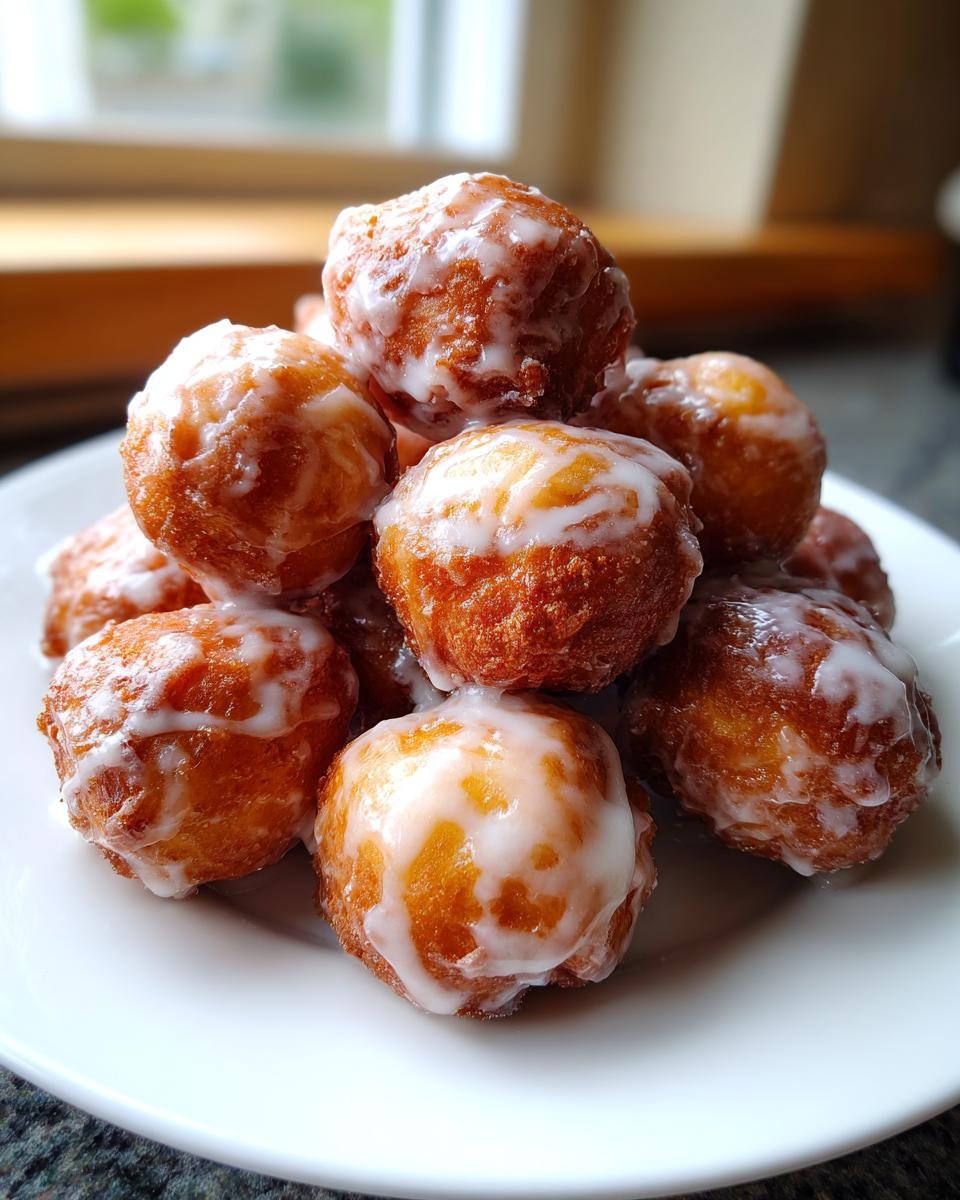
The biggest game-changer is definitely the oil temperature. Please use a thermometer! If your oil is too cool, the donut holes just suck up vegetable oil and become heavy and greasy. We need that quick, hot bath to seal the outside instantly so the inside stays light. Aim strictly for 350°F (175°C).
Finally, about that glaze: if you find it’s setting too fast while you work, just stir in maybe half a teaspoon of extra warm plant milk. It should be runny enough to glide easily over the warm dough. If you want more ideas on getting dough right from the very beginning, you have to read my tips on making amazing donut dough!
Ingredient Notes and Substitutions for Vegan Glazed Donut Holes
Let’s talk specifics about what goes into the bowl because the right substitution can make or break these treats. Some people ask if they absolutely must use soy milk. Honestly, I prefer soy milk because it has a bit more protein, which helps the yeast feel cozy, but almond milk works just fine!
If you don’t have vegan butter on hand, don’t panic! You can absolutely use a neutral oil, like canola or light olive oil, in place of the melted vegan butter in the dough—it’s generally a 1:1 swap. The butter just adds a tiny bit of flavor richness, but the oil ensures they still fry up beautifully.
The flax egg—that’s probably the most important part of our vegan structure here. Remember, we mix ground flaxseed with water and let it sit until it gets sticky and gelatinous? That’s acting as our binder, replacing the sticky proteins eggs usually provide. It’s crucial for keeping those little dough balls from falling apart when they hit the hot oil. Make sure you let that sit first; you can’t just dump the mix in!
Serving Suggestions for Your Vegan Glazed Donut Holes
Now that you have a beautiful pile of warm, glistening Vegan Glazed Donut Holes, the only question left is: what do we eat them with? I’ve found that these are almost too addictive to eat alone, so you definitely need a good beverage on hand. Nothing cuts through sugary sweetness like a robust cup of coffee, honestly!
If you’re making these for a weekend brunch, they look absolutely amazing piled high on a pedestal stand next to some fresh berries—strawberries or raspberries really bring a nice tart contrast to the sweet glaze. They are also fantastic alongside a warm mug of tea. If you love that cozy flavor profile, you should definitely try them with a homemade fall spice latte; the cinnamon and nutmeg play so well together.
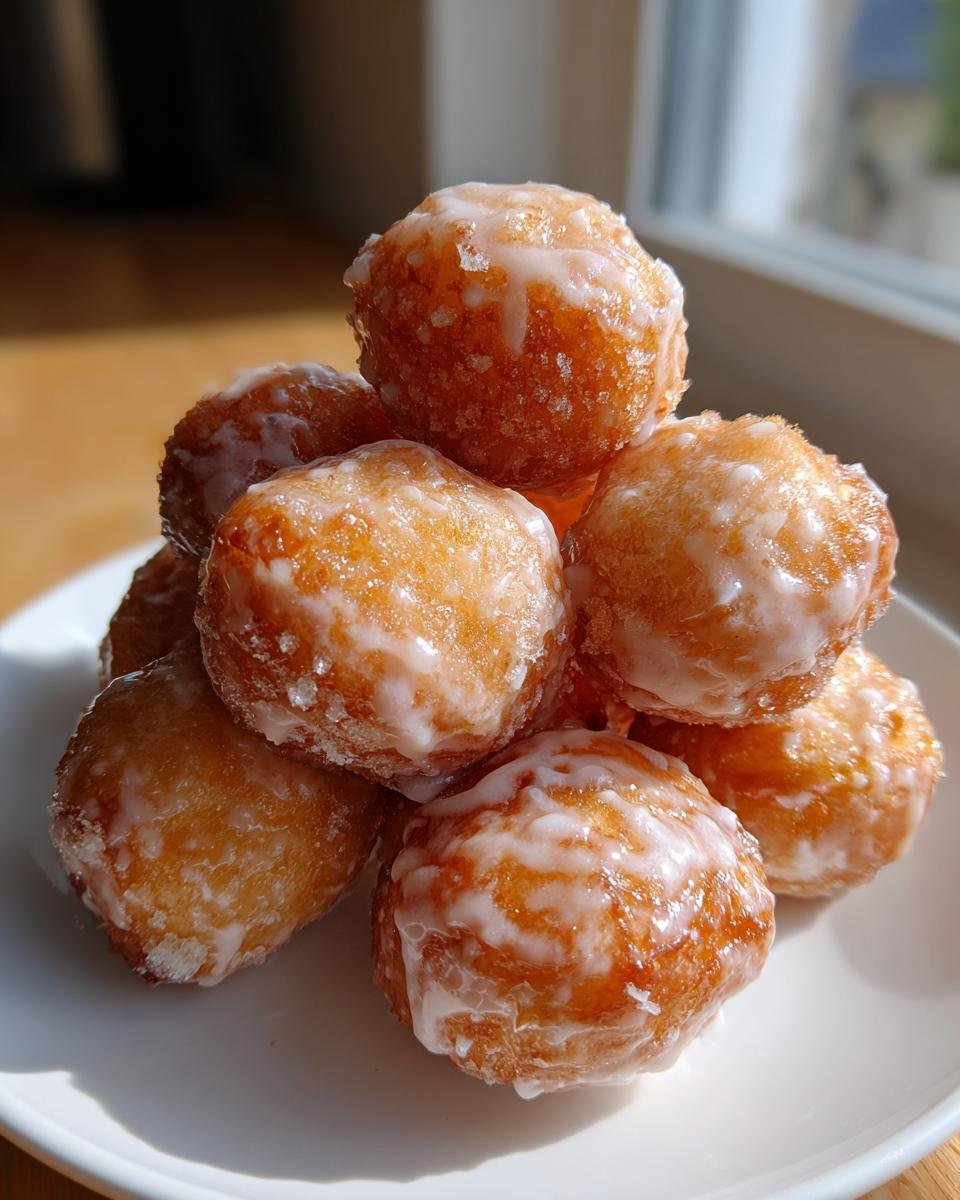
They are best eaten the day you make them, so don’t make too many for storage! Just enjoy them while they are still slightly warm from the glaze—that moment is pure heaven.
Storage and Reheating Instructions for Vegan Glazed Donut Holes
Okay, let’s talk about leftovers, because the hope is you have some, even though these Vegan Glazed Donut Holes disappear fast! The absolute truth is that fried dough tastes best on the same day you make it. That crisp exterior and soft interior just don’t hang around long, unfortunately.
I definitely don’t recommend putting them in the fridge. Seriously, don’t do it! Cold temperature makes fried dough turn tough and stale almost instantly, and the glaze can get sticky and weird. If you have a few left over, just keep them in an airtight container on the counter at room temperature. They should be totally fine like this for about 24 hours—maybe pushing 36 if you’re lucky.
If you wake up the next morning and they’ve lost a little of that fluffy magic, there is a save! You can warm them up gently to try and bring back some of their spirit. Don’t try the microwave; it just makes them spongy. Instead, pop a couple on a baking sheet and stick them in a toaster oven or a conventional oven set to a super low temperature, maybe 275°F (135°C).
Give them just three or four minutes—watch them closely! You just want them warmed through slightly. This little bit of gentle heat can help soften the texture back up and might even make the glaze feel a touch softer again. They won’t be *fresh-out-of-the-fryer* perfect, but it’s a lovely way to enjoy your remaining treats!
Frequently Asked Questions About Vegan Glazed Donut Holes
I always get so many questions when people try this recipe for the first time! People want to know how to customize them, or if they can skip the frying step. Here are the things I hear most often about making these sweet little bites.
Can I bake these Vegan Glazed Donut Holes instead of frying?
This is a tough one, because yes, you absolutely can bake them, but I want to be honest with you: they will taste different! Since this is a yeast dough designed to puff up rapidly in hot oil, baking them gives you something much closer to a sweet bread roll or a cake donut. You lose that slight crispy exterior shell and that specific melt-in-your-mouth quality that only frying delivers.
If you are determined to bake, I recommend shaping them and then baking them at about 375°F (190°C) until golden brown. They will be less greasy, sure, but they won’t have the same authentic, fluffy texture we worked so hard for. If you want a truly successful baked experience, you might want to check out my recipe for delightful baked lemon donuts, which is designed specifically for the oven!
How do I prevent the glaze on my donut holes from becoming too thin?
Glaze consistency paranoia is real! If your glaze ends up looking more like sugar water than a nice, slightly opaque coating, it usually comes down to two things: the temperature of the donut holes or the amount of liquid you added. If you dip them when they are completely cool, the glaze won’t adhere well and will just run off. They need to be warm!
However, if you added too much plant milk, don’t worry, you can fix it! Just slowly whisk in more powdered sugar, about a tablespoon at a time, until it thickens up again. You’re looking for a thickness where if you drizzle a bit on a plate, it holds its shape for a second before spreading out. Resist the urge to thin it out too much initially; it’s always easier to thin a thick glaze than to save a thin one!
Estimated Nutritional Information for Vegan Glazed Donut Holes
I always feel a little guilty sharing this part because, let’s be honest, these little bites of joy aren’t exactly health food! But since you asked, here is what the numbers generally look like for about three of these gorgeous Vegan Glazed Donut Holes. Remember, these figures are based on my specific ingredients, so your results might vary slightly depending on the brand of vegan butter or plant milk you use—it’s an estimate, not a guarantee!
We are looking at roughly 280 calories per serving of three. They are definitely high on the sugar side, about 35 grams, but the fat content stays relatively manageable at 12 grams total. Since they are plant-based, the cholesterol is zero, which is fantastic news for our sweet cravings!
Print
Vegan Glazed Donut Holes
- Total Time: 1 hour 45 min
- Yield: About 30 donut holes 1x
- Diet: Vegan
Description
Small, sweet, yeast-raised donut holes coated in a simple sugar glaze. This recipe is entirely plant-based.
Ingredients
- 1 cup warm plant milk (soy or almond)
- 2 1/4 teaspoons active dry yeast
- 1/4 cup granulated sugar plus 2 cups for glaze
- 1/4 cup melted vegan butter or oil
- 1 large flax egg (1 tablespoon ground flaxseed mixed with 3 tablespoons water, set aside)
- 1 teaspoon vanilla extract
- 3 1/2 cups all-purpose flour
- 1/2 teaspoon salt
- Vegetable oil for frying
Instructions
- Combine warm plant milk and yeast in a bowl. Let stand for 5 minutes until foamy.
- Stir in 1/4 cup sugar, melted vegan butter, flax egg, and vanilla extract into the yeast mixture.
- In a separate bowl, whisk together flour and salt.
- Gradually add the wet ingredients to the dry ingredients, mixing until a soft dough forms. Knead lightly on a floured surface for 5 minutes.
- Place dough in a greased bowl, cover, and let rise in a warm place for 1 to 1.5 hours, or until doubled in size.
- Gently punch down the dough. Roll small pieces into balls, about 1 inch in diameter.
- Heat vegetable oil in a deep pot to 350°F (175°C).
- Fry the donut holes in batches, turning occasionally, until golden brown on all sides (about 2-3 minutes).
- Remove donut holes with a slotted spoon and place them on a wire rack lined with paper towels to drain excess oil.
- While the donut holes cool slightly, prepare the glaze by whisking the 2 cups of sugar with 1/2 cup of plant milk and 1/2 teaspoon of vanilla extract until smooth. Add more milk if the glaze is too thick.
- Dip each warm donut hole into the glaze, ensuring full coverage. Place back on the wire rack to set the glaze.
Notes
- For a thicker glaze, reduce the amount of plant milk used.
- You can use a stand mixer with a dough hook for easier kneading.
- Do not overcrowd the pot when frying; this lowers the oil temperature.
- Prep Time: 30 min
- Cook Time: 15 min
- Category: Dessert
- Method: Frying
- Cuisine: American
Nutrition
- Serving Size: 3 donut holes
- Calories: 280
- Sugar: 35g
- Sodium: 150mg
- Fat: 12g
- Saturated Fat: 2g
- Unsaturated Fat: 10g
- Trans Fat: 0g
- Carbohydrates: 40g
- Fiber: 1g
- Protein: 3g
- Cholesterol: 0mg
Keywords: Vegan, donut holes, glazed, fried dough, sweet treat, plant-based dessert