Oh my gosh, is there anything better than the smell of deep, warm spices filling your kitchen when the weather outside gets frosty? I mean, truly! My absolute favorite time to bake is when I can pull out the cinnamon and cloves, and this cake delivers on all counts. Forget those dry, crumbly gingerbread recipes you’ve had before. This one—my go-to Irresistible Gingerbread Cake With Cinnamon Molasses Frosting—is unbelievably moist. It’s the only one I ever bother making for Thanksgiving or Christmas gatherings because it holds up so well and everyone asks me for the recipe! Trust me, this blend of ginger, molasses, and that perfect creamy frosting is pure magic.
Why This Irresistible Gingerbread Cake With Cinnamon Molasses Frosting Stands Out
You might be thinking, “Another gingerbread cake?” Nope! This one is different, totally different. It’s the recipe I promise you everyone will ask about. See why this will be your new favorite:
- It uses both boiling water and buttermilk, which guarantees a wonderfully moist crumb that won’t dry out overnight.
- The spice blend is perfectly balanced—you taste the rich depth of molasses right alongside warm ginger and cloves.
- The Cinnamon Molasses Frosting isn’t too sweet; it cuts through the richness of the cake beautifully.
- The whole thing comes together fast, which is perfect when you need a showstopper dessert on short notice!
If you love cozy baking, you absolutely need to check out my recipe for irresistible apple crisp cheesecake too—it has that same warm spice vibe!

Gathering Ingredients for Your Irresistible Gingerbread Cake With Cinnamon Molasses Frosting
Getting ready to bake is almost as fun as eating it, right? The most important thing here, really important, is the molasses. Please, please make sure yours is fresh! Old molasses gets thick and loses that deep, rich flavor that makes this cake shine. You’ll need quality spices, too, because they are the backbone of this whole dessert. I always remind myself that room temperature butter and eggs mix much better than cold ones, even though this recipe is pretty straightforward.
When gathering everything up, try to have your dry stuff whisked together while your wet ingredients are waiting. It just makes the assembly process smoother. If you’re looking for other fantastic base recipes, check out my guide on Grandma’s Perfect Homemade Bread for reference on ingredient temperature!
For the Moist Gingerbread Cake Base
This is where the moisture comes from! Don’t forget both the baking soda and the boiling water work together to give this cake its lift.
- 1 3/4 cups all-purpose flour
- 1 teaspoon baking soda
- 1/2 teaspoon salt
- 1 teaspoon ground ginger
- 1 teaspoon ground cinnamon
- 1/2 teaspoon ground cloves
- 1/2 cup unsalted butter, softened
- 1/2 cup granulated sugar (or dark brown sugar, if you prefer a deeper flavor!)
- 1 large egg
- 1/2 cup molasses
- 1/2 cup boiling water
- 1/2 cup buttermilk
For the Cinnamon Molasses Frosting
The frosting only takes a minute, but make sure your butter is soft—not melted, just soft—so you don’t end up with lumps. If you struggle with getting smooth frostings, read up on how I make my incredibly light base frosting over so soft and fluffy—the technique is the same!
- 1/2 cup unsalted butter, softened
- 2 cups powdered sugar, sifted
- 1/4 cup molasses
- 1 teaspoon ground cinnamon
- 1 tablespoon milk (if needed, maybe less!)
Step-by-Step Instructions for the Irresistible Gingerbread Cake With Cinnamon Molasses Frosting
Okay, this is where we bring the magic together! The process is pretty foolproof, but you have to respect the mixing order, or you might lose some of that amazing moistness. Pay close attention when you start adding your dry stuff in alternation with the liquids—that’s how you avoid that dense, tough texture. If you are interested in other cakes that require careful mixing to stay light, you should check out how I handle the batter for my ultimate Sour Cream Coffee Cake. It’s all about gentle handling!
Preparing the Cake Batter
Step one is getting that oven nice and toasty to 350 degrees F (175 degrees C). Line your 9-inch round pan with butter and flour—don’t skip that prep! In a medium bowl, whisk your flour, baking soda, salt, and all those lovely spices together. That’s your dry mix.
In a big bowl, cream that butter and sugar until it looks pale and fluffy—like sweet clouds! Beat in the egg. Then you stir in that gorgeous, thick molasses. Separately, mix your boiling water quickly into the buttermilk. Now for the critical part: alternate adding the dry ingredients and the liquid mix to the sugar mixture. Always start and end with the dry stuff. Mix only until the streaks disappear. Seriously, stop mixing the second you don’t see dry flour anymore. Overmixing this batter is the absolute fastest way to ruin the whole cake!
Baking and Cooling
Pour that beautiful spiced batter into your prepared pan and pop it into the oven. It usually takes about 30 to 35 minutes. You want to test it by sliding a thin wooden pick right into the center. If it comes out clean, cheers, you’re done baking! Don’t unlock the oven door too early, or your cake might fall in the middle.
Let it sit beautifully in the pan for 10 whole minutes. This lets it firm up just enough before you try to move it. Then, carefully flip it out onto a wire rack and let it cool down completely. I mean stone cold. Frosting a warm gingerbread cake is like trying to paint a house while it’s raining—it’ll just melt everywhere!
Making and Applying the Cinnamon Molasses Frosting
While the cake is chilling out, make the topping! Beat that half cup of softened butter until it’s smooth and creamy. Then, start adding your sifted powdered sugar slowly, alternating with the molasses and cinnamon. I suggest adding the milk bit by bit only if you feel the frosting is too stiff to spread easily. It should be thick but gorgeous.
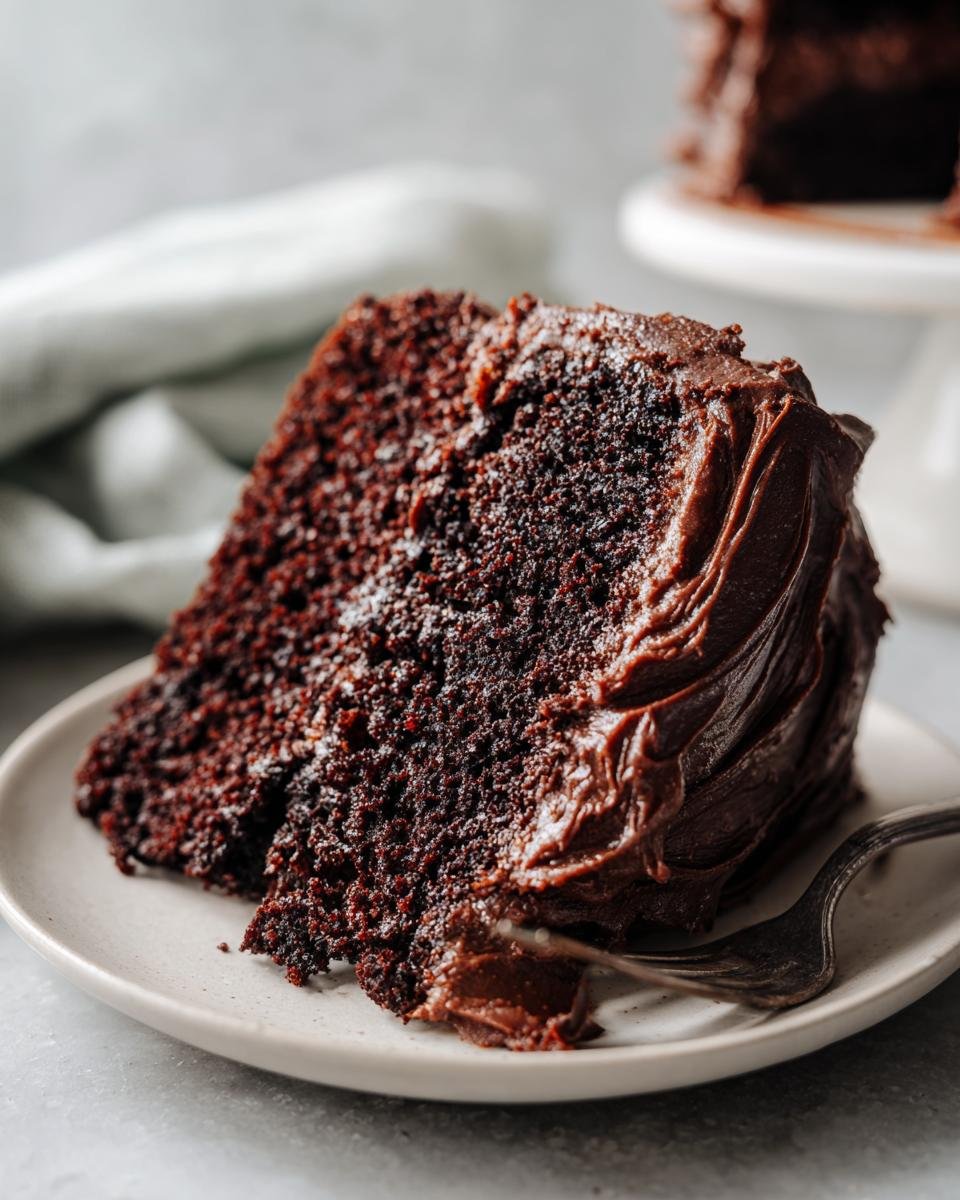
Once that cake is completely cool—and I mean look at it, touch it, wait an extra five minutes cool—spread that thick, spicy frosting all over the top. Make some pretty swirls with your spatula. It’s glorious!
Expert Tips for the Perfect Irresistible Gingerbread Cake With Cinnamon Molasses Frosting
Look, I’ve already given you the recipe, but if you want this cake to go from “Really Good” to “I need to marry the baker,” you need to listen to a few little secrets I’ve picked up over the years. These aren’t in the main steps, but they make a huge difference in texture and flavor depth.
First off, let’s talk about temperature one more time, even though I mentioned it above. Make sure your butter and egg are genuinely room temperature. If they’re too cold, they won’t incorporate air properly when you cream them, and your cake loses that delightful springiness. Cold ingredients fight each other, and we want teamwork in the mixing bowl!
Here’s a flavor booster that my cousin swore by: when you get to the step that calls for boiling water, try substituting hot, strong brewed coffee instead. Don’t worry, you won’t taste coffee! What the coffee does is deepen that molasses flavor and make the chocolate-y background notes of the spice bloom even more. It seriously amps up the whole spice profile. Don’t let anyone tell you coffee doesn’t belong in your gingerbread!
Last thing, and this is crucial for anyone who bakes a lot: check your oven. I almost threw this recipe out years ago because it wasn’t setting right, and it turned out my cheap little oven runs about 25 degrees hot! Use an oven thermometer. Getting the temperature right is the difference between a moist cake and a dry brick. You can read about what I use for other savory bakes like my Ultimate Old-Fashioned Beef Stroganoff Recipe, but the principle of accurate heat is the same!
Ingredient Notes and Substitutions for Your Gingerbread Cake
Okay, let’s talk tweaks and crucial quality control for this cake. Remember how I stressed the molasses? Seriously, if your molasses is ancient and hard as a rock, go swap it out. Fresh molasses is liquid gold for this recipe. I’ve seen people try to swap it for dark corn syrup, and nope, that gives you an entirely different flavor profile. You need that rich, almost smoky sweetness that only true molasses provides.
The recipe calls for granulated sugar, but one of Grandma’s old scribbles suggested swapping it for dark brown sugar for a warmer cake. I tried it, and wow, she was right! Dark brown sugar has that extra molasses kick built in, so it just deepens all the earthy spice notes. It’s my preferred way to make it now, but stick to the granulated if you want a slightly cleaner sweetness that lets the ginger pop more.
What happens if you don’t look in the fridge and realize you’re out of buttermilk? Don’t run to the store! You can whip up a super quick substitute that works just as well here. Just take regular milk—any kind will do, 2% or whole milk is best—and stir in a tablespoon of white vinegar or fresh lemon juice. Let it sit on the counter for about five minutes until it curdles slightly. It’ll look weird, but it gets perfectly tangy and acidic, just like buttermilk, reacting beautifully with the baking soda. It keeps the recipe going strong!
If you’re curious about making other spiced delights, you should see my notes on managing the frosting when I make my Irresistible Banana Cake with Cream Cheese Frosting—the principles of temperature are the same!
Serving Suggestions for Your Irresistible Gingerbread Cake With Cinnamon Molasses Frosting
Once this cake has cooled and you’ve lovingly spread that rich, spicy frosting on top, the only question left is: how do you serve it? Because this cake is so intensely flavorful, you don’t need a lot of bells and whistles, but a little something on the side can take it from cozy dessert to outright celebration!
My absolute favorite way to serve gingerbread, especially when it’s still slightly warm (if you can resist eating it right away!), is with something cool and creamy to balance that spicy heat. A simple scoop of high-quality vanilla bean ice cream is heavenly because the melting ice cream mixes right into the edges of that molasses frosting. It’s sinful, honestly. Do you know how good the contrast is between the warm spice and the cold, creamy vanilla? It’s just the best counterpoint.
If you’re serving this after a big, heavy holiday meal, you might want something lighter than ice cream. In that case, a cloud of truly unsweetened whipped cream is perfect. I mean, really whip it until it’s stiff but soft, and add maybe half a teaspoon of pure vanilla extract—that’s it. That slight bitterness and airiness cleanses the palate beautifully after a heavy bite of the cake. It lets the gingerbread be the star of the show, which it totally deserves to be!
And of course, you can’t have gingerbread without a hot beverage, can you? My go-to is a strong cup of black coffee—no sugar needed—or honestly, a nice mug of hot spiced cider. The apple and clove flavors in the cider just echo what’s already happening in the cake, pulling all those warm notes together in one delightful, cozy moment. You should look at my recipe for irresistible vanilla bean pistachio cake; while that cake is different, the pairing rules for creamy toppings still apply!
Storage and Make-Ahead Options for Irresistible Gingerbread Cake With Cinnamon Molasses Frosting
I get it, sometimes you bake a whole cake and you just can’t eat it all in one sitting, even if you really, really try! Good news: this spiced beauty keeps wonderfully, and you can totally make it ahead of time, which is a lifesaver during the holidays when things get crazy busy.
First, let’s talk about the frosting. Since this Cinnamon Molasses Frosting is primarily butter and sugar, it handles room temperature pretty well, especially if your kitchen isn’t swelteringly hot. If you plan on eating the whole cake within three days, just keep it covered tightly on the counter. I usually use an overturned large bowl or a proper cake dome so the frosting doesn’t go stale or dry out.
If you need to keep it longer—say, up to a week—you should move it to the fridge. Just watch out: cold temperatures make the frosting firmer and the cake slightly denser. When you take it out to serve, pull it out of the fridge about an hour beforehand. That little rest time lets the butter soften up again so the texture snaps right back to delicious!
Now, freezing is where this cake really shines as a make-ahead hero. Unfrosted gingerbread cake freezes like a dream. Wrap the completely cooled cake layer tightly in plastic wrap first, then hit it again with a layer of aluminum foil. This double wrap stops any freezer burn from sneaking in. It’ll be good for up to three months this way! When you pull it out, let it thaw overnight on the counter, and apply your frosting the next day before serving.
Freezing it *with* the frosting is possible, but I don’t usually recommend it unless you absolutely must. The frosting can sometimes get a little sweaty or separate a tiny bit when it thaws because of the molasses. If you do freeze it frosted, make sure to cover it really well and thaw it slowly in the fridge before bringing it to room temperature. For more on how I handle freezing other cakes, you can check out my tips on freezing irresistible peanut butter cake—the wrapping technique is the same!
Frequently Asked Questions About Irresistible Gingerbread Cake With Cinnamon Molasses Frosting
I always get so many questions after people first try this wonderfully spiced cake. It’s pretty straightforward, but sometimes baking is tricky! Here are some of the things people ask me most often about getting that perfect gingerbread flavor and texture.
Can I make this cake without molasses?
Oh, gosh, that’s a tough one. Honestly, the molasses is what makes this an *Irresistible Gingerbread Cake*. It provides the color, the deep flavor, and the moisture factor that sets it apart from a regular spice cake. If you absolutely cannot use molasses, you’ll need significant adjustments. You could try substituting it with dark brown sugar mixed with a little bit of black treacle if you can find it, but it won’t be the exact same profile. Trust me, hunt down some fresh molasses; it’s worth it for this recipe!
How can I make the cake spicier or milder?
This recipe already hits a wonderful, warm note, but I know some folks live for that extra kick! To amp up the heat, try adding an extra half teaspoon of ground ginger and maybe a tiny pinch of black pepper—I know, weird, but it brightens up the spices. If you find it too intense, just reduce the ginger and cloves slightly. For a milder experience, you can skip the cloves entirely. Sometimes I just add extra cinnamon because that’s everyone’s favorite smell!
Can I use margarine instead of butter in the cake or frosting?
My heart belongs to real butter, and I usually stick to butter for the absolute best flavor, especially in the frosting. Butter contains water and milk solids that help with creaming and creating that rich mouthfeel. If you have to substitute for dietary reasons, you can use margarine in the *cake* batter in a 1:1 swap, but expect it to be a little less flavorful and possibly slightly more delicate. For the frosting, margarine can work, but it often leads to a frosting that’s too soft or greasy because of the different fat content. If you use it, aim for a good quality stick margarine, not the soft tub spread, and chill your frosting longer.
Why do I need boiling water? Won’t hot tap water do?
That’s a great question about the mixing method! We use boiling water because it helps dissolve the cocoa and spice solids much more effectively than warm water. It also slightly ‘blooms’ those spices like ginger and cinnamon, releasing their oils right before they hit the batter. It actually works with the baking soda to create the perfect texture alongside the buttermilk. It only takes a second to boil a small amount, so it’s worth adding that extra zip to your moist gingerbread cake.
If you are tackling baking projects outside of cakes, like my recipe for irresistible crockpot orange chicken, remember that temperature control is everything, even in slow cookers!
For those interested in savory bakes, like my quick irresistible salmon cakes, using hot water to bloom spices works there too!
Estimated Nutritional Snapshot
Now, I know we aren’t baking this cake because we are counting every single calorie—it’s a celebration cake, after all, topped with rich molasses frosting! But just so you have an idea of what you’re diving into when you slice this beauty, here is the general breakdown per serving. Keep in mind that this is based on how I make it, using the ingredients listed, and yours might vary slightly depending on the brand of molasses or butter you use!
For context, if you’re looking for something lighter, you can always check out my tips for an energizing high-protein breakfast, but you definitely can’t beat this cake for dessert!
- Serving Size: 1 slice
- Calories: Around 400 (It’s rich, but worth every bite!)
- Sugar: About 55g (That frosting adds up sweetly!)
- Sodium: 250mg
- Fat: 16g total fat
- Saturated Fat: 10g
- Unsaturated Fat: 6g
- Trans Fat: 0g (We don’t touch that stuff!)
- Carbohydrates: 65g
- Fiber: 1g
- Protein: 4g
- Cholesterol: 55mg
So yes, it’s a treat, but that is the joy of a truly spectacular homemade dessert like this Irresistible Gingerbread Cake With Cinnamon Molasses Frosting. Don’t feel guilty—just enjoy the warm spices!
Share Your Irresistible Gingerbread Cake With Cinnamon Molasses Frosting Experience
Seriously, now that you’ve baked this amazing, spiced goodness, I want to hear every single thing about it! My favorite part of sharing these recipes is seeing them pop up in your kitchens and on your tables, smelling those wonderful spices across the country.
Please, don’t be shy! If you made this Irresistible Gingerbread Cake With Cinnamon Molasses Frosting, smash that rating button right down there and let me know if it earned all five stars for you. And if you have a gorgeous photo of that rich, dark cake topped high with the cinnamon molasses frosting, tag me on social media! I absolutely love seeing how you decorate it—did you add candied ginger, or maybe some chopped pecans?
Comments feed my soul, so tell me about your baking process! Did you use dark brown sugar like I suggested, or stick to the white? Was the frosting the perfect consistency right away, or did you need that extra splash of milk? Every bit of feedback helps other bakers who might be nervous about tackling a recipe with true molasses!
If you enjoyed this deep dive into spiced cakes, you might also love checking out my secrets for making the irresistible breakfast pizza—it’s a totally different kind of ‘delight’ but it’s just as fun to share!
Thank you so much for baking along with me. Happy eating!
Print
Gingerbread Cake with Cinnamon Molasses Frosting
- Total Time: 55 min
- Yield: 8 servings 1x
- Diet: Vegetarian
Description
A recipe for a moist gingerbread cake topped with a flavorful cinnamon molasses frosting.
Ingredients
- 1 3/4 cups all-purpose flour
- 1 teaspoon baking soda
- 1/2 teaspoon salt
- 1 teaspoon ground ginger
- 1 teaspoon ground cinnamon
- 1/2 teaspoon ground cloves
- 1/2 cup unsalted butter, softened
- 1/2 cup granulated sugar
- 1 large egg
- 1/2 cup molasses
- 1/2 cup boiling water
- 1/2 cup buttermilk
- For Frosting: 1/2 cup unsalted butter, softened
- 2 cups powdered sugar, sifted
- 1/4 cup molasses
- 1 teaspoon ground cinnamon
- 1 tablespoon milk (if needed)
Instructions
- Preheat your oven to 350 degrees F (175 degrees C). Grease and flour a 9-inch round cake pan.
- In a medium bowl, whisk together the flour, baking soda, salt, ginger, cinnamon, and cloves. Set aside.
- In a large bowl, cream together the softened butter and granulated sugar until light and fluffy. Beat in the egg.
- Stir in the 1/2 cup molasses.
- In a separate bowl, combine the boiling water and buttermilk.
- Alternately add the dry ingredients and the liquid mixture to the butter mixture, beginning and ending with the dry ingredients. Mix until just combined. Do not overmix.
- Pour the batter into the prepared cake pan.
- Bake for 30 to 35 minutes, or until a wooden pick inserted into the center comes out clean. Let the cake cool in the pan for 10 minutes before inverting it onto a wire rack to cool completely.
- To make the frosting, beat the 1/2 cup softened butter until creamy. Gradually add the sifted powdered sugar, molasses, and cinnamon. Beat until smooth. Add milk one tablespoon at a time if the frosting is too stiff.
- Once the cake is completely cool, spread the frosting evenly over the top.
Notes
- Ensure your molasses is fresh for the best flavor in both the cake and the frosting.
- You can substitute dark brown sugar for granulated sugar for a deeper flavor in the cake.
- Prep Time: 20 min
- Cook Time: 35 min
- Category: Dessert
- Method: Baking
- Cuisine: American
Nutrition
- Serving Size: 1 slice
- Calories: 400
- Sugar: 55
- Sodium: 250
- Fat: 16
- Saturated Fat: 10
- Unsaturated Fat: 6
- Trans Fat: 0
- Carbohydrates: 65
- Fiber: 1
- Protein: 4
- Cholesterol: 55
Keywords: gingerbread cake, molasses frosting, cinnamon, holiday dessert, spice cake