Ever look down at your shoes and think, “I could make these”? There’s a special kind of magic in that thought, isn’t there? For me, it started with a worn-out pair of boots and a stubborn streak. I wanted something *just so*, and if you’re anything like me, you’ve probably thought about becoming your own Shoe Maker. It’s not just about cobbling together some leather; it’s about shaping something with your own hands, creating a piece of art you can actually wear. There’s a deep satisfaction in taking raw materials and transforming them into sturdy, stylish footwear that tells a story – your story!
Why You’ll Love This Shoe Maker Project
Oh, this whole shoe-making adventure? It’s seriously so rewarding! You’ll get that amazing feeling of accomplishment when you put on a pair of shoes you actually *made*. Plus, it’s a fantastic way to learn a totally new skill, and let me tell you, there’s nothing quite like customizing every single detail to fit *you* perfectly. And the best part? Handmade shoes just last forever with a little care!
Essential Materials for Your Shoe Maker Journey
Alright, let’s talk about what you’ll need to get started on your own pair of handmade shoes. Picking the right stuff is super important, trust me! For the main part, you’ll want good quality leather. I usually go for a full-grain leather hide; it’s tough and ages beautifully. You won’t need a whole hide for just one pair, maybe a good sized piece depending on the shoe style. For stitching, get strong, waxed thread – this has to hold your whole shoe together! And for the sole, a durable rubber sole material or even a thick leather sole is perfect. My first ever pair? I skimped on the sole material, and let’s just say they didn’t last long before I was dragging my feet! Lesson learned!
Tools of the Trade for the Aspiring Shoe Maker
Now, you can’t just, you know, *will* shoes into existence! You need some trusty companions for this journey. First up is the humble awl – it’s your best friend for piercing those neat holes for stitching. Then there’s the cobbler’s hammer; it’s not for pounding nails, but for gently shaping the leather and setting rivets. A really sharp knife is an absolute must, like a utility knife or a dedicated skiving knife, to get those clean, precise cuts. Don’t even think about using a dull blade; it’ll just make life miserable! Having these right tools really makes all the difference for a successful Shoe Maker project. Want to learn more brilliant tips? You can check out our About page to see how we approach crafting all sorts of wonderful things!
Step-by-Step Guide to Becoming a Shoe Maker
Alright, let’s get our hands dirty and actually make some shoes! This is where all the planning and prepping comes together. Don’t worry if it feels a little fiddly at first; you’ll get the hang of it. Just take your time and enjoy the process of creating something really special.
Preparing Your Materials for Shoe Maker Success
First things first, we need to get our leather ready. If it’s a bit stiff, a quick conditioning with a leather balm can work wonders. You want it pliable, not dry and brittle. For cutting, make sure you have your pattern all set. Lay it out on the leather carefully and trace around it with a pencil or a leather marker. Precision here is key, folks; I can’t stress that enough! A clean trace means a cleaner cut later.
Cutting and Shaping the Shoe Components
Now for the cutting! Grab that super sharp knife we talked about. Go slow and steady, following your traced lines. For the parts that go around your foot, like the vamp and quarters, you’ll start shaping them around the last. Use a bit of gentle stretching and maybe a little water (but don’t soak it!) to mold the leather. Push it down firmly around the last, making sure it fits snugly. This is where the shoe really starts to take its form!

The Art of Stitching: Upper to Sole
This is one of my favorite parts – the actual stitching! You’ll use your awl to punch holes through the edges of the upper and the sole material. Then, thread your waxed thread through those holes. A simple saddle stitch is really strong and looks fantastic. Keep your stitches even; it makes a huge difference in how professional your shoe looks. I usually pace myself here, doing a few stitches, checking the tension, then moving on. It’s all about creating a super strong bond that will hold up to walking.
Attaching the Heel: Stability for Your Shoe Maker Creation
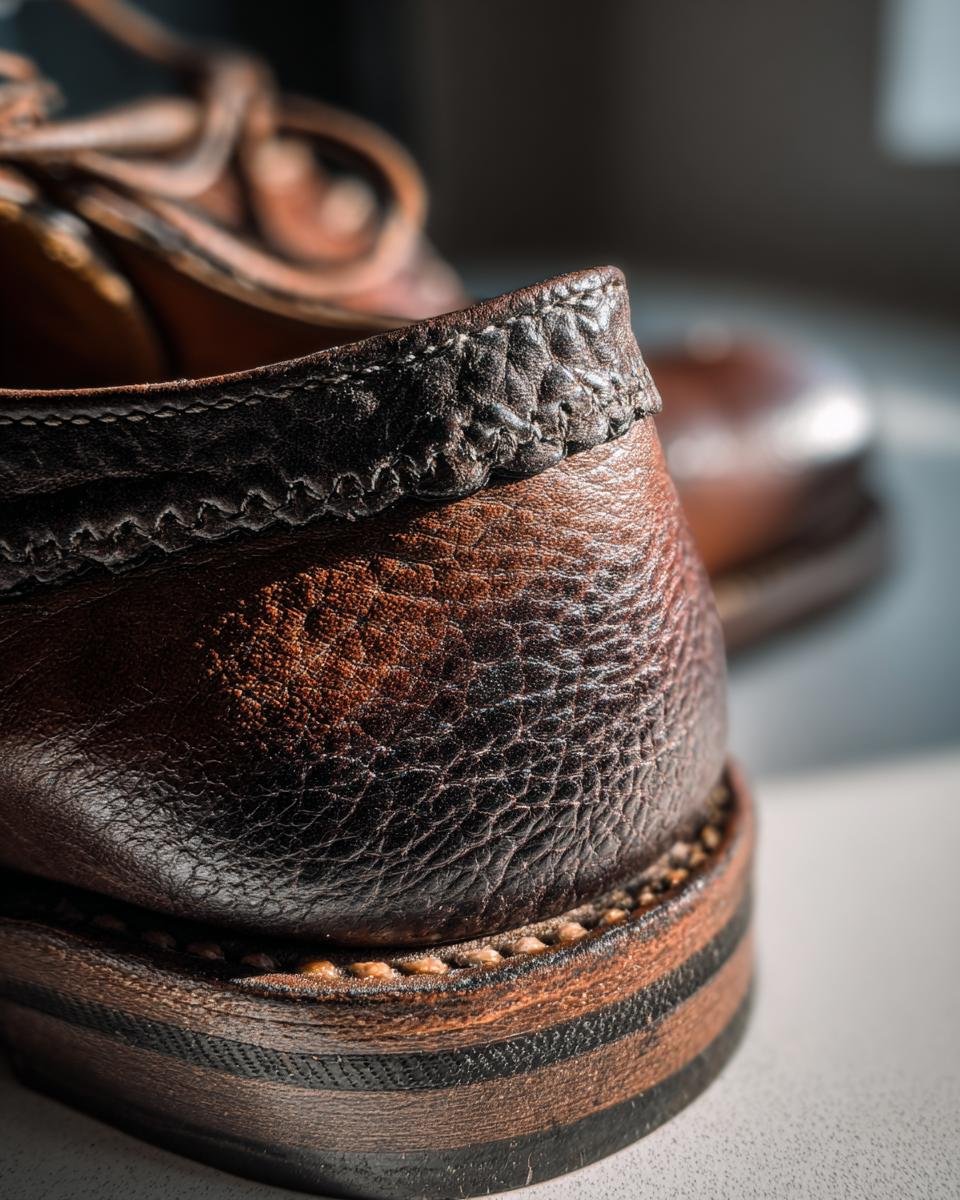
Time to give your shoe some lift! Heels can be attached in a few ways, but often it involves a strong adhesive and maybe a few nails for extra security. Make sure the heel piece is perfectly aligned with the back of the sole before you start attaching it. You want it straight and solid. A well-attached heel is crucial for both stability and the overall look of your finished Shoe Maker creation. Give it a good whack with the hammer to set it firmly!
Finishing Touches: Polishing Your Handmade Shoe Maker Masterpiece
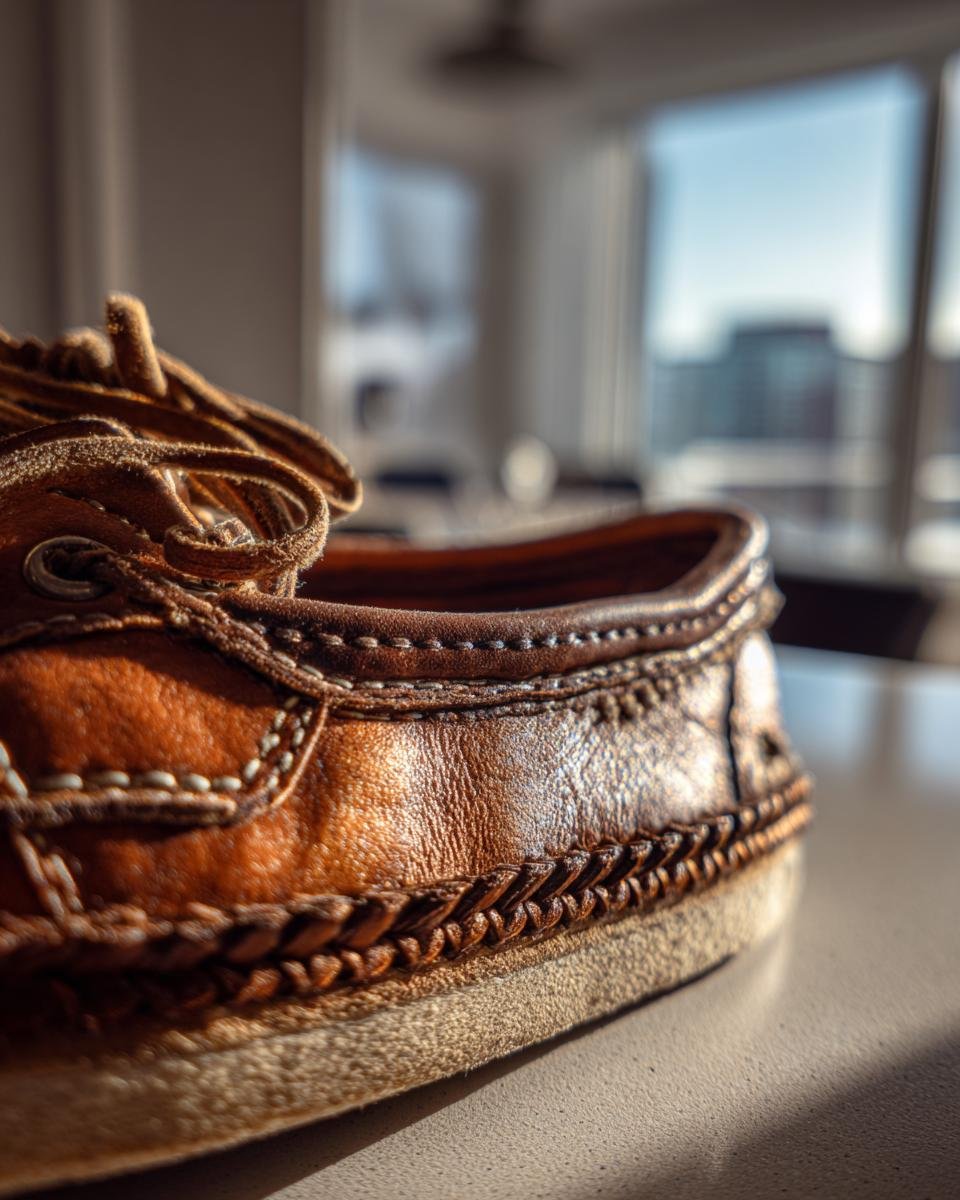
We’re almost there! Now for the fun part – making it shine. Clean off any excess glue or pencil marks. Apply a good quality shoe polish or wax, buffing it in well. Don’t forget the edges of the sole – a little edge dressing can make them look super clean and professional. A final polish with a soft cloth will bring out that beautiful sheen. You’ve officially created a handmade Shoe Maker masterpiece!

Tips for Shoe Maker Success
Honestly, making your own shoes is such a blast, but there are little things I’ve learned that can make a huge difference. First off, don’t be afraid to make mistakes! That first pair of shoes I ever attempted? Total disaster, but I learned so much. Always practice stitching on scrap leather first; it really gets you the feel for it. Also, if your leather feels a bit stiff, don’t try to force it – a little bit of gentle conditioning goes a long way. Oh, and for that super crisp cut we talked about earlier, make sure your knife is *razor* sharp. Trust me, there’s nothing worse than trying to cut thick leather with a dull blade. If you’re curious about other little secrets that make a big difference in crafting, you can check out this amazing tip for crispy cookies – sometimes the smallest tricks apply everywhere! It’s all about patience and paying attention to the tiny details!
Ingredient Notes and Substitutions for Your Shoe Maker Project
When you’re diving into shoemaking, the ingredients really do matter. I always, *always* go for good quality leather. Full-grain leather is fantastic because it’s strong and develops this gorgeous patina over time. If you can’t find exactly what you’re looking for, don’t panic! In a pinch, you could try a really tough chrome-tanned leather, but it won’t age quite the same. For the soles, while rubber is super durable and practical, especially for everyday wear, a stacked leather sole gives that classic, elegant shoe look. Just make sure it’s a thick, firm leather for the sole, not soft garment leather. And for thread? Waxed linen or heavy-duty nylon thread are your best bets for durability. You want something that can stand up to being pulled tight through leather, stitch after stitch!
Frequently Asked Questions about Shoe Making
Got questions buzzing around your head about becoming a Shoe Maker? I totally get it! It can seem like a big leap, but let me clear up a few things for you.
How long does it typically take to make a pair of shoes?
Okay, this is a big one! For your very first pair, especially if you’re working at a relaxed pace, you might be looking at a solid weekend, maybe even longer, to get everything done right. As you get more practiced, you’ll definitely speed up. I can whip out a simple pair now in about 6-8 hours of focused work, but there’s always that urge to tweak and perfect!
What is the most difficult part of shoemaking for beginners?
Honestly, I think the trickiest bit for most beginners is getting those stitches perfectly even and tight while attaching the upper to the sole. It takes a lot of practice to get that tension just right without straining your hands or making the stitches look wonky. Also, accurately shaping the leather to the last can be a bit of a puzzle at first!
Can I use synthetic materials for my Shoe Maker project?
You sure can! While I love working with leather for its natural beauty and durability, synthetic materials can totally work for a Shoe Maker project, especially for soles or even some upper components. Think durable vinyls or strong canvas. They might behave a little differently when cutting and shaping, so you might need to adjust your techniques slightly, but they can make for a great, often more budget-friendly, shoe!
Nutritional Information (Estimated)
Okay, so you’ve made an amazing pair of shoes, right? Now, about the nutritional info… well, since we’re crafting footwear and not food here, there’s really no nutritional value to speak of! These shoes won’t be providing any calories or macros. Think of them as zero-calorie style!
Print
Shoe Maker
- Total Time: 60 min
- Yield: 1 pair of shoes
- Diet: Vegetarian
Description
A guide to the craft of shoemaking.
Ingredients
- Leather
- Thread
- Sole material
- Last
- Tools (awl, hammer, knife)
Instructions
- Select your materials.
- Prepare the leather for cutting.
- Cut the leather pieces according to your pattern.
- Shape the leather pieces around the last.
- Stitch the upper to the sole.
- Attach the heel.
- Finish and polish the shoe.
Notes
- Practice stitching on scrap leather first.
- Ensure the last fits your foot shape.
- Use a sharp knife for clean cuts.
- Prep Time: 60 min
- Cook Time: 0 min
- Category: Craft
- Method: Handcrafting
- Cuisine: N/A
Nutrition
- Serving Size: 1 pair
- Calories: 0
- Sugar: 0g
- Sodium: 0mg
- Fat: 0g
- Saturated Fat: 0g
- Unsaturated Fat: 0g
- Trans Fat: 0g
- Carbohydrates: 0g
- Fiber: 0g
- Protein: 0g
- Cholesterol: 0mg
Keywords: shoemaking, leathercraft, footwear, handmade shoes, cobbler